Hyperbaric Oxygen Therapy and Topical Steroid Withdrawal: What We Know, What's Emerging, and How HBOT May Support Healing
Hyperbaric Oxygen Therapy and Topical Steroid Withdrawal: What We Know, What's Emerging, and How HBOT May Support Healing
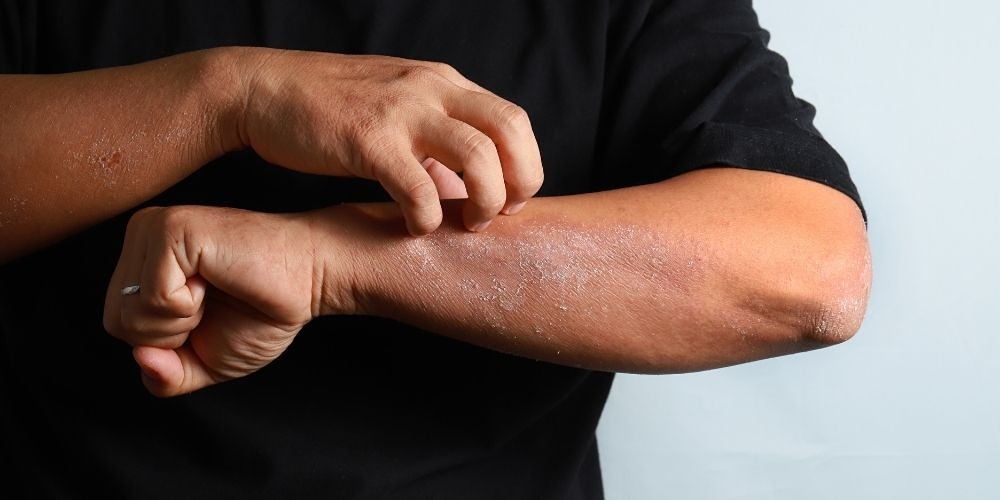
Topical Steroid Withdrawal (TSW) — sometimes called Red Skin Syndrome — has become more widely recognised as people share their experiences with long-term topical steroid use and the difficult symptoms that can follow stopping them.
TSW can be overwhelming: burning skin, redness, nerve pain, swelling, insomnia, and a rollercoaster of flare patterns that feel unpredictable.
Because of how intense the healing journey can be, many people start exploring supportive therapies. One treatment that’s getting more attention is Hyperbaric Oxygen Therapy (HBOT).
Here’s a clear, balanced look at what HBOT is, why people with TSW are curious about it, and what science currently supports.
What Exactly Is Hyperbaric Oxygen Therapy?
Hyperbaric oxygen therapy involves sitting or lying in a pressurised chamber while breathing 100% medical-grade oxygen.
The increased pressure helps oxygen dissolve more deeply into the bloodstream and tissues than normal breathing conditions allow.
HBOT is an established medical treatment for conditions like:
Non-healing wounds
Carbon monoxide poisoning
Radiation-related tissue injury
Certain infections
Skin graft healing complications
While HBOT is recognised for supporting tissue repair, TSW is not currently a formal medical indication for HBOT — but there are reasons people are increasingly interested.
Why People Experiencing TSW Are Looking Into HBOT
TSW affects the skin barrier, blood vessels, immune response, and nerves. HBOT is known to influence these same systems in other conditions, which is why it’s being explored as a supportive therapy.
Here’s what HBOT may help with, theoretically or anecdotally:
1. Boosting Tissue Oxygenation
TSW skin can feel starved, inflamed, and fragile. HBOT increases oxygen delivery to the deepest layers of skin, which may support natural repair processes.
2. Supporting Wound Healing
Many TSW symptoms resemble chronic wound patterns:
raw skin, weeping, cracking, and slow regeneration.
HBOT has evidence for helping:
Oxygen-deprived tissue
Chronic or stalled healing
Inflammation regulation
This doesn’t mean it “treats TSW,” but it may support the skin’s ability to repair itself.
3. Calming Inflammation
Some studies in unrelated conditions show HBOT can influence inflammatory pathways.
People with TSW often experience burning, swelling, and redness — symptoms linked to vascular dilation and inflammatory overload.
4. Nervous System Support
TSW often affects the nerves (burning, pins-and-needles sensations).
HBOT is being studied for its effects on nerve pain and neuroinflammation in other conditions, although research is early.
Important Reality Check
TSW is complex and not fully understood.
HBOT research on TSW specifically is very limited, and there are no established clinical trials defining HBOT as a treatment for TSW.
So the safest way to frame it is:
HBOT is not a cure for TSW, but some people choose it as a supportive therapy aimed at comfort, healing environment, or symptom relief.
Always talk to a healthcare professional familiar with your medical history before starting any therapy.
Potential Benefits People Report (Anecdotally)
People with TSW who try HBOT sometimes describe:
Calmer skin after sessions
Reduced burning sensations
Better sleep
Faster healing of raw or cracked areas
Improved energy and mood
Relief during severe flare cycles
These are personal experiences, not guaranteed outcomes. Responses vary widely.
Possible Risks or Considerations
HBOT is generally safe when supervised by trained professionals, but it’s not for everyone.
Things to consider:
Ear or sinus pressure
Temporary vision changes
Not recommended for certain lung or sinus conditions
Cost and session commitment (often multiple sessions)
A conversation with a practitioner is essential before starting.
Where HBOT Fits Into a TSW Healing Plan
TSW recovery usually involves:
Time
Gentle skin care
Nervous system regulation
Avoiding triggers
Supportive medical guidance
Adding HBOT is something some people explore when they are looking for:
Additional comfort during flares
Support for tissue healing
A way to manage inflammation or pain
Something to help them feel more in control of their healing
It should be part of a holistic, medically informed plan, not a standalone solution.
Want to Discuss Whether HBOT May Be Supportive for Your TSW Journey?
If you’re considering HBOT and want to know if it’s appropriate for your situation, you can contact the clinic practitioner here.
They can talk through your symptoms, your TSW stage, and help you understand whether HBOT aligns with your personal care plan.
Comments